
Transfer from Miritini to Watamu
Approximately 2 hours via the B8 coastal road north. Pickup at Total Station, Gede junction (Watamu). Shared shuttle from KSh 1,200 per seat. Private transfer from KSh 6,000. Door-to-door for groups of 6 and above. Last-mile tuk-tuk and boda boda partners available for smaller groups - book on our website.
Most people who go to Watamu for the first time say the same thing when they come back: they should have gone sooner, and they should have booked a longer stay.
Watamu doesn't shout. It's not trying to be Africa's most famous beach. It's a small town on the north coast of Kenya, about 115 kilometres from Mombasa SGR Terminus, with one of the best marine parks on the continent 300 metres offshore, a creek full of mangroves and birdlife, a 13th-century ruined city in the forest nearby, and a pace of life that resets you properly.
The Italian community that settled here decades ago has left a mark on the food scene in the best possible way. You can eat genuinely good pizza in Watamu. You can also watch a green turtle haul itself up the beach at night to nest, if you time it right.
This guide tells you how to get there from Mombasa SGR Terminus, what to do, where to stay at different budgets, what to eat, and when to visit for specific experiences like whale sharks and turtle nesting.
1. Getting from Mombasa SGR Terminus to Watamu
The route and pickup points
Watamu is about 115 kilometres north of Miritini Terminus. We head north on the B8 coastal highway from Mombasa, passing through Mtwapa, Kilifi and on toward Malindi before turning off to Watamu. The journey takes approximately two hours in normal conditions.
Our main pickup and drop-off point in Watamu is the Total Station at Gede junction, right on the main highway. If someone tells you 'Gede junction' or 'Total Gede', that's the same place. It's well known and easy to find whether you're arriving or departing.
From the Total Station we continue into Watamu town and along Turtle Bay Road toward the beach hotels. We can also stop at points along the Watamu approach road for passengers whose accommodation is close to the main road.
Transfer type | Shared shuttle or private transfer |
Route | Miritini Terminus north via B8 highway through Mtwapa, Kilifi, then Gede junction to Watamu |
Transfer time | Approximately 2 hours |
Shared shuttle fare | From KSh 1,200 per seat |
Private transfer fare | From KSh 6,000 (sedan) to KSh 16,000 (minivan, 5-8 pax) |
Main pickup point | Total Station, Gede junction |
Door-to-door | Available for groups of 6 and above |
Smaller groups | Last-mile tuk-tuk and boda boda partners available - bookable on our website |
Last-mile service | Operates at any hour, verified riders, booked as part of your transfer |
Booking | sgrshuttlemombasa.com or WhatsApp |
Getting to Watamu from Diani or Kilifi
If you're combining Watamu with another coast destination, we can arrange inter-destination transfers. Kilifi to Watamu is about 50 kilometres and around 50 minutes by road. Malindi to Watamu is about 20 kilometres and 20 minutes. Both are manageable as separate bookings. Let us know your full itinerary when you get in touch and we'll sort the connections.
2. What Watamu Is Like
Watamu sits at the southern end of the Watamu Marine National Park and Reserve, a protected stretch of coastline and coral reef that runs north toward Malindi. The town itself is small and spread out. There's a main road, a handful of shops, restaurants and beach hotels, and then the sea.
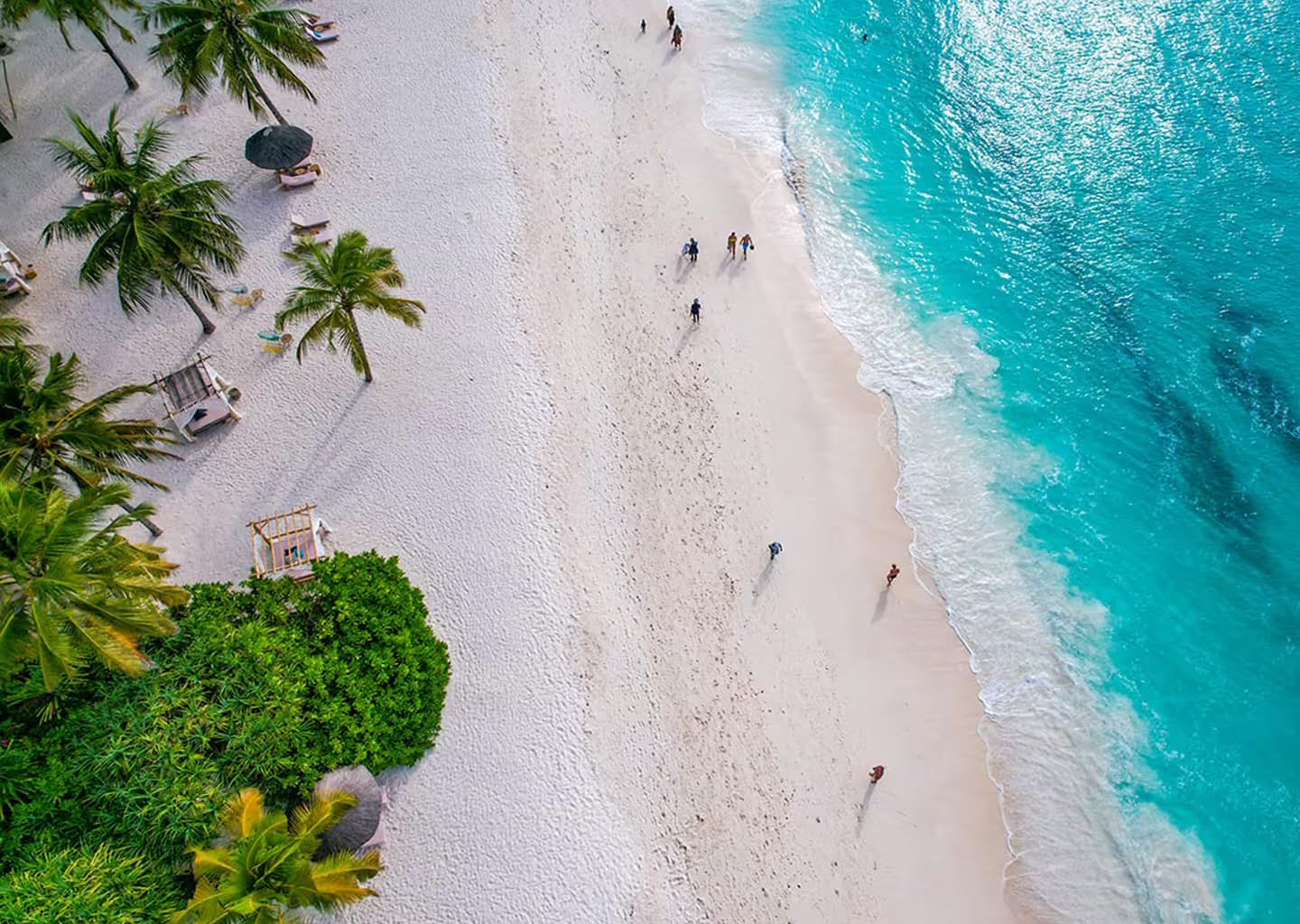
The beach is genuinely beautiful. Sandy coves, coral islands, and shallow bays with sandbars and low-lying reef. At low tide you can walk out quite far and explore the exposed reef. At high tide the water comes in and you're swimming in clear, warm Indian Ocean.
What sets Watamu apart from Diani isn't just the relative quietness, it's the ecosystem around it. The marine park offshore. Mida Creek to the south, a tidal inlet flanked by mangroves that's outstanding for birdlife and kayaking. Arabuko-Sokoke Forest adjacent, one of the largest remaining patches of coastal forest in East Africa. Gede Ruins 15 minutes up the road. There's more here than just a beach.
The Italian influence is real and has been for decades. A community of Italian expats settled on this stretch of coast and their presence shows in the restaurant scene: good pasta, proper espresso, gelato. It's a slightly unexpected combination with the Swahili coast atmosphere and it works.
3. Things to Do in Watamu
On the water and in the marine park
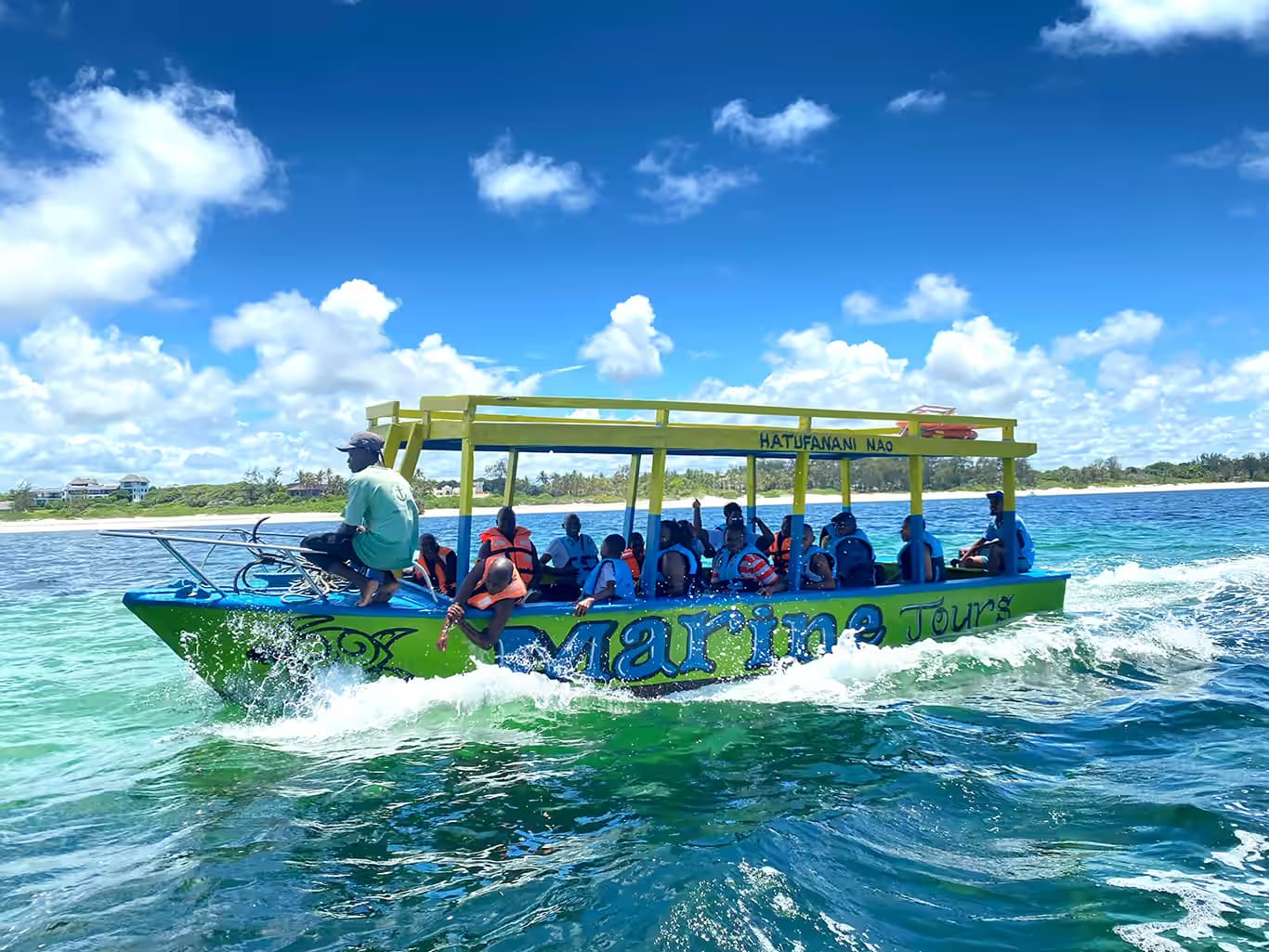
Snorkelling in Watamu Marine National Park: The marine park is one of the best snorkelling sites in Africa. Coral gardens, hundreds of species of tropical fish, sea turtles, rays, and exceptional visibility when conditions are good. Most hotels can arrange a boat trip to the park. Eco-certified operators in town include Local Ocean Conservation who run guided snorkel trips alongside their turtle conservation work. Book ocean trips for early morning when the water is calmest and visibility is best.
Scuba diving: Several operators in Watamu offer dives in the marine park. The coral here is in better condition than many sites on the East African coast. Manta rays and whale sharks are possible during the right season. Hemingways Watamu has a well-equipped dive centre.
Whale shark snorkelling: Whale sharks move through the Watamu and Malindi area, particularly between October and February when plankton blooms attract them. Not every trip finds one but when they do it's an experience people describe as life-changing. Local Ocean Conservation and several boat operators run dedicated whale shark trips during the season.
Kayaking and paddleboarding on Mida Creek: The creek is a tidal inlet fringed with mangroves about 3 kilometres south of Watamu town. Kayaking through the mangrove channels at low tide is quietly spectacular, particularly for birdlife. Kingfishers, herons, and occasionally African fish eagles. Watamu Treehouse and the Crab Shack area in Dabaso are good starting points. Sunset kayaking on the creek is one of those things worth staying an extra night for.
Dhow trips and glass-bottom boats: Traditional wooden dhow excursions along the coast and to nearby sandbanks. Glass-bottom boat trips are available for those who want a look at the reef without getting in the water.
On land
Gede Ruins: A 13th-century Swahili city abandoned in the 17th century and now largely swallowed by coastal forest. The ruins of mosques, houses, a palace and tombs sit among huge trees with sykes monkeys moving through the canopy above. Gede is about 15 minutes from Watamu by road and genuinely impressive - it doesn't get the attention it deserves. Open to visitors with an entry fee. Allow at least two hours.
Arabuko-Sokoke Forest: Directly adjacent to Gede Ruins, this is one of the largest fragments of coastal forest remaining in East Africa. Endemic species include the Sokoke Scops Owl and the Clarke's Weaver. The forest has walking trails and guided birding tours. If you have any interest in wildlife beyond the reef, it's worth at least half a day.
Kipepeo Butterfly Project: A community conservation project at the edge of Arabuko-Sokoke Forest where local families breed butterflies for export to European exhibits. You can visit the breeding cages and see the species up close. Small, low-key and genuinely interesting.
Turtle nesting with Local Ocean Conservation: Local Ocean Conservation has been protecting turtle nesting on Watamu beach for years. Green and hawksbill turtles come ashore to nest, mostly between April and September. LOC runs guided night walks during nesting season and dawn trips to see hatchlings reach the sea. Check their website or contact your hotel for how to join a session.
Watamu Treehouse: A retreat in the trees above the forest offering yoga classes, a tidal float experience, and overnight stays. Drop-in yoga is available for non-guests. The setting alone is worth the trip.
Tsavo East day trip: For serious wildlife, Tsavo East National Park is 2 to 3 hours from Watamu by road via Sala Gate. Full-day safari trips can be arranged locally with a 4x4 and driver-guide. It's a long day but Tsavo East is a proper big-game reserve and a complete contrast to the coast experience.
4. Where to Stay in Watamu
Watamu's accommodation scene is smaller and more personal than Diani's. Fewer huge resort hotels, more boutique properties and self-catering villas. The best places are on or very close to the beach.
Luxury (from KSh 18,000 per night)
Hemingways Watamu: The most established luxury hotel in Watamu. Beachfront, well-run, with a dive centre, spa, and the kind of service that justifies the price. Named after Ernest Hemingway who fished this stretch of coast. Has its own boat for deep-sea fishing charters.
Medina Palms: A newer luxury option with a beautiful spa, three pools, and a design that makes the most of the coastal setting. Three restaurants on site. One of the better upmarket choices if Hemingways is full.
Kobe Suite Resort: Smaller, quieter, boutique luxury on Turtle Bay Road. Full-service spa, good food, peaceful atmosphere.
Mid-range (KSh 5,000 to 18,000 per night)
Ocean Sports Resort: Directly on the beach with excellent access to the marine park. The location is the main selling point. Good dive centre on site. Popular with repeat visitors who know exactly what they're coming for.
Turtle Bay Beach Club: Long-running resort on Mida Creek Road. Three restaurants, pools, and a reliably social atmosphere. Family-friendly.
Watamu Treehouse: If you want something genuinely different. Elevated treehouses in the forest rather than a beach hotel. Yoga, wellness activities, and a crowd that tends toward the mindful and the interesting.
Budget (under KSh 5,000 per night)
Guesthouses and self-catering: Watamu has a network of smaller guesthouses, BnBs and self-catering apartments at reasonable prices. Quality varies considerably. Read recent reviews and check the distance from the beach before booking. Some of the best-value options are a short boda boda ride from the water rather than directly on it.
Camping: Limited formal camping options but a few places allow it. Worth checking with local operators if you're travelling on a minimal budget.
5. Where to Eat in Watamu
The Italian influence on the restaurant scene here is genuinely one of Watamu's surprises. You can eat very well for a small coastal town.
La Malindina: One of the original Italian restaurants in the area and still one of the best. Proper pasta, good fish, and the kind of casual atmosphere that encourages long lunches.
Ascot Restaurant: Consistently well-reviewed for local and Italian food. Popular with expats and returning visitors who know where to eat.
The Crab Shack at Mida Creek: Casual, open-air eating on the creek. Crab, prawns, grilled fish, cold drinks. Particularly good at sunset when the light on the water is extraordinary. Go once.
Hotel restaurants: Hemingways, Medina Palms and Turtle Bay all have restaurants open to non-guests. Worth trying at least one for a different setting.
Watamu town centre dukas: Small local shops and food stalls near the main road serve Kenyan food at local prices. Chapati, samosas, rice and beans, fresh juice. If you want to eat like the people who actually live here, this is where to go.
6. When to Go to Watamu
Watamu's appeal shifts significantly depending on the season. There are really two different Watamus depending on when you arrive.
Period | What to Expect |
October to February | The best time for marine activity. Whale sharks come through in October to February. Sea turtles nest from around April to September but hatchlings can be seen until November. Water visibility is generally excellent. Dry and warm. Peak season pricing from December. |
December to March | Peak beach season. Hot, dry, busy. Best weather and most expensive. Book well ahead for Christmas and New Year. |
June to September | Dry and cooler. Consistent winds make kite surfing good (Watamu is quieter for kiting than Diani but it's possible). Turtle nesting at its most active. Good mid-year option. |
April to May | Long rains. Accommodation prices drop substantially. Some restaurants and operators reduce hours. The forest and creek are lush and beautiful. A good time if you want to combine beach with nature and don't mind occasional rain. |
October to November | Short rains. Good value, whale sharks possible, fewer crowds. Some showers but often not heavy. One of the underrated times to visit Watamu. |
Best time for whale sharks
October to February is the most reliable window for whale shark sightings near Watamu. The plankton blooms that attract them are triggered by the short rains and the northeast monsoon current. No sighting is ever guaranteed but October through January is when operators run dedicated whale shark trips with the highest success rate.
7. Practical Tips for Watamu
Book ocean activities for early morning: Sea conditions are generally calmest before 10 AM. The later in the day you go, the more wind and chop you're likely to encounter. Schedule snorkelling, diving and boat trips for first thing.
The main road through town isn't the beach: Watamu is spread out and not all accommodation is walking distance from the water. Clarify exactly how far your hotel is from the beach when you book. A boda boda from town to the beach hotels costs around KSh 50 to 100.
Cash and connectivity: There are ATMs in Watamu town but they're not always reliable. Stock up on cash in Mombasa or at the SGR Terminus before you leave. Safaricom has reasonable coverage in the town area. WiFi at hotels varies.
Reef-safe sunscreen: Non-negotiable here. The Watamu Marine National Park is a protected ecosystem and the coral is sensitive to conventional sunscreen chemicals. Reef-safe options are available in Watamu but stock up in Mombasa to be sure.
Book the last-mile tuk-tuk or boda boda in advance: If you're arriving on our shuttle and your accommodation is off the main road, the last-mile connection to your door is sorted by our partner riders. Book this when you book your main transfer. They operate at any time of day or night.
Mosquitoes and malaria: The mangrove environment around Mida Creek particularly is prime mosquito territory. Repellent and nets are essential in Watamu. Consider malaria prophylaxis and definitely cover up in the evenings.
Gede Ruins entry fee: There's an entry fee to Gede Ruins paid to Kenya Wildlife Service. It's been subject to occasional changes so check the current rate before you go. Guides are available on-site and worth the extra fee for the historical context.
8. Common Questions About Watamu from the SGR
Q: Where exactly do I get picked up in Watamu when heading back to the SGR?
A: Our main pickup point in Watamu is the Total Station at Gede junction, on the main highway. This is well known locally and easy to find. If you're at a hotel along Turtle Bay Road or elsewhere in Watamu, our last-mile partner riders can collect you from your door and bring you to the Gede Total Station in time for the shuttle. Book this when you book your main transfer.
Q: Is the marine park worth the entry fee?
A: Yes, comfortably. Watamu Marine National Park entry is paid separately from any boat trip fee and goes to Kenya Wildlife Service. The coral and fish life here is among the best preserved on the East African coast. If you're snorkelling, it's one of the experiences that justifies the whole Watamu trip.
Q: Can I see whale sharks from the beach or do I need a boat?
A: You need a boat. Whale sharks feed in open water and are not reliably seen from the shore. Operators run dedicated trips when whale sharks are in the area, typically between October and February. The trips go out early morning and cover the offshore feeding grounds. Your hotel can recommend a reputable operator or contact Local Ocean Conservation directly.
Q: How far is Gede Ruins from the beach hotels?
A: About 15 minutes by boda boda or vehicle from the main Watamu beach hotels along Turtle Bay Road. A boda boda from the hotel area to Gede costs around KSh 100 to 150. You can combine Gede Ruins with a visit to the adjacent Arabuko-Sokoke Forest on the same outing.
Q: Is Watamu good for families with young children?
A: Yes, well-suited for families. Turtle Bay is calm and shallow at the right tides. The Kipepeo Butterfly Project is engaging for children. Turtle conservation activities through Local Ocean Conservation have obvious appeal. The main thing to check is your accommodation - some hotels are better set up for families than others. Turtle Bay Beach Club and Ocean Sports Resort are both family-friendly.
Q: Can I combine Watamu and Malindi in one trip?
A: Easily. They're about 20 kilometres apart. You could base in Watamu and take a day trip to Malindi, or split your time between both. The Gede Ruins sit almost exactly between them and are worth visiting regardless of which town you're based in. We can arrange the Watamu-Malindi leg as a separate transfer.
Book Your Transfer from SGR to Watamu
Two hours north on the coastal road. Pickup at Gede Total Station. Last-mile connections to your door. We run this route every day.
Miritini Terminus to Watamu - Approx 2 Hours
Pickup at Total Station, Gede Junction * Last-Mile Partners to Your Door
Shared Shuttle from KSh 1,200 * Private Transfer from KSh 6,000
Book at sgrshuttlemombasa.com or WhatsApp us - we reply within 60 Seconds
Related Guides
Kenya Coast Travel Guide: All Destinations from Mombasa SGR Terminus
Malindi Travel Guide from Mombasa SGR - Watamu's neighbour, 20 km north
The Complete Guide to SGR Transfers in Mombasa - all options and prices
Shared Shuttle vs Private Transfer: Which Should You Book?